How Do I Use Up My Child’s Leftover Food?
Whether it’s cold oatmeal, uneaten carrot sticks, or sandwich crusts, it can be hard to know what to do with your child’s leftover food.
As busy parents, we understand the temptation to toss, but we believe every bite of food is worth saving.
So what can you do with those leftovers? If the food has been handled safely, you might serve it again at a later meal, transform it into something new, eat it yourself, or freeze it for another day.
Sometimes it takes a little creativity to find a use for half-eaten food or small amounts of leftovers. Here are some ideas to help you make the most of what’s left on your child’s plate.
Raw vegetables such as carrot sticks, celery, cucumber, peppers, and cauliflower can easily be used in other meals.
- Chop and add them to stir-fries, pasta dishes, soups, stews, or casseroles.
- Roast or steam them for a side dish.
- Grate them into muffins, fritters, meatballs, or burgers.
- Add them to omelettes or scrambled eggs.
If they’re starting to lose their freshness, freeze them in a container or freezer bag and use them later to make homemade vegetable stock.
Whether it’s steamed broccoli, roasted squash, green beans, or cooked carrots:
- Purée and freeze in small portions for babies.
- Add to soups, sauces, and casseroles.
- Mix into pasta dishes or stir-fries.
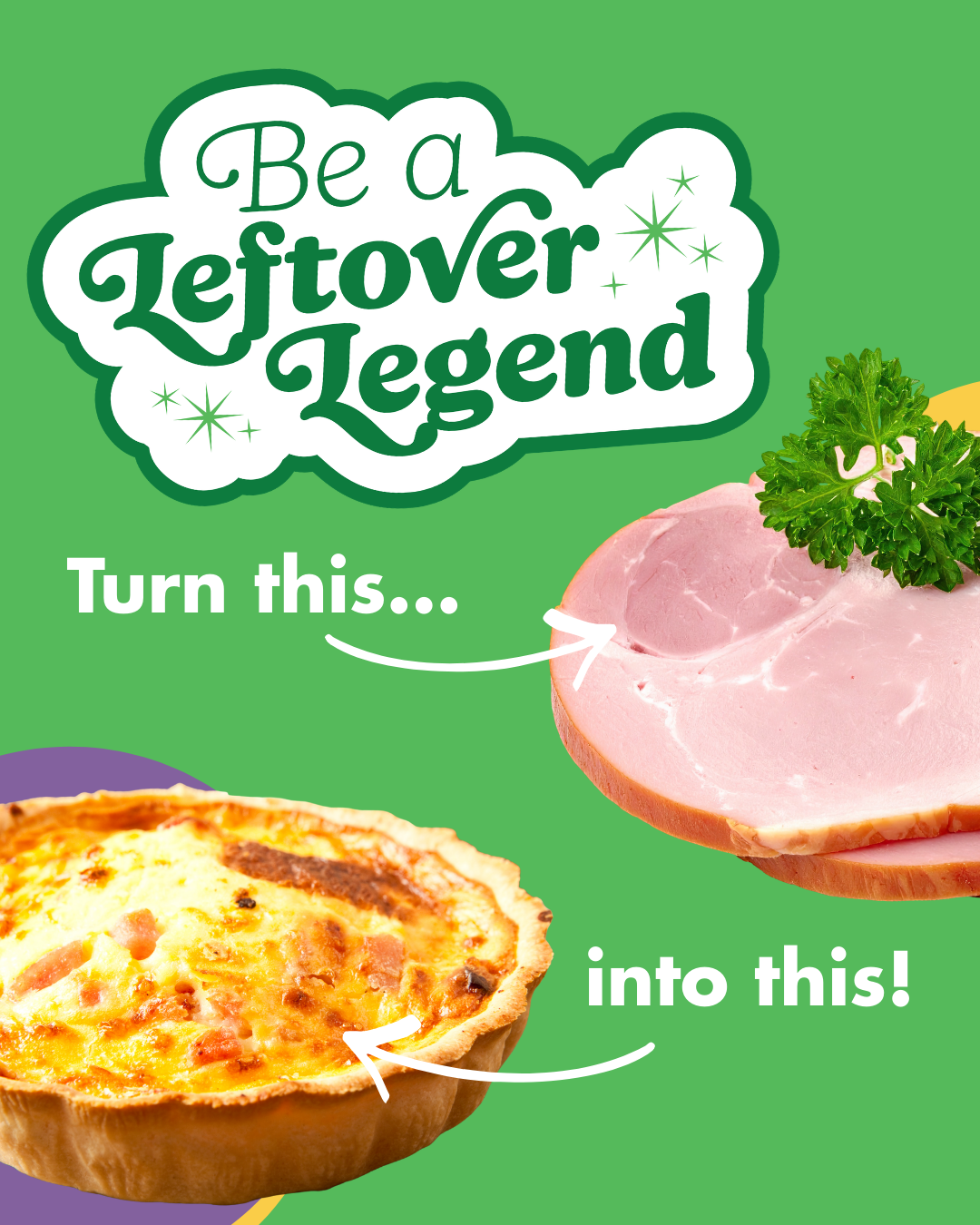
- Use in frittatas, quiches, or egg muffins.
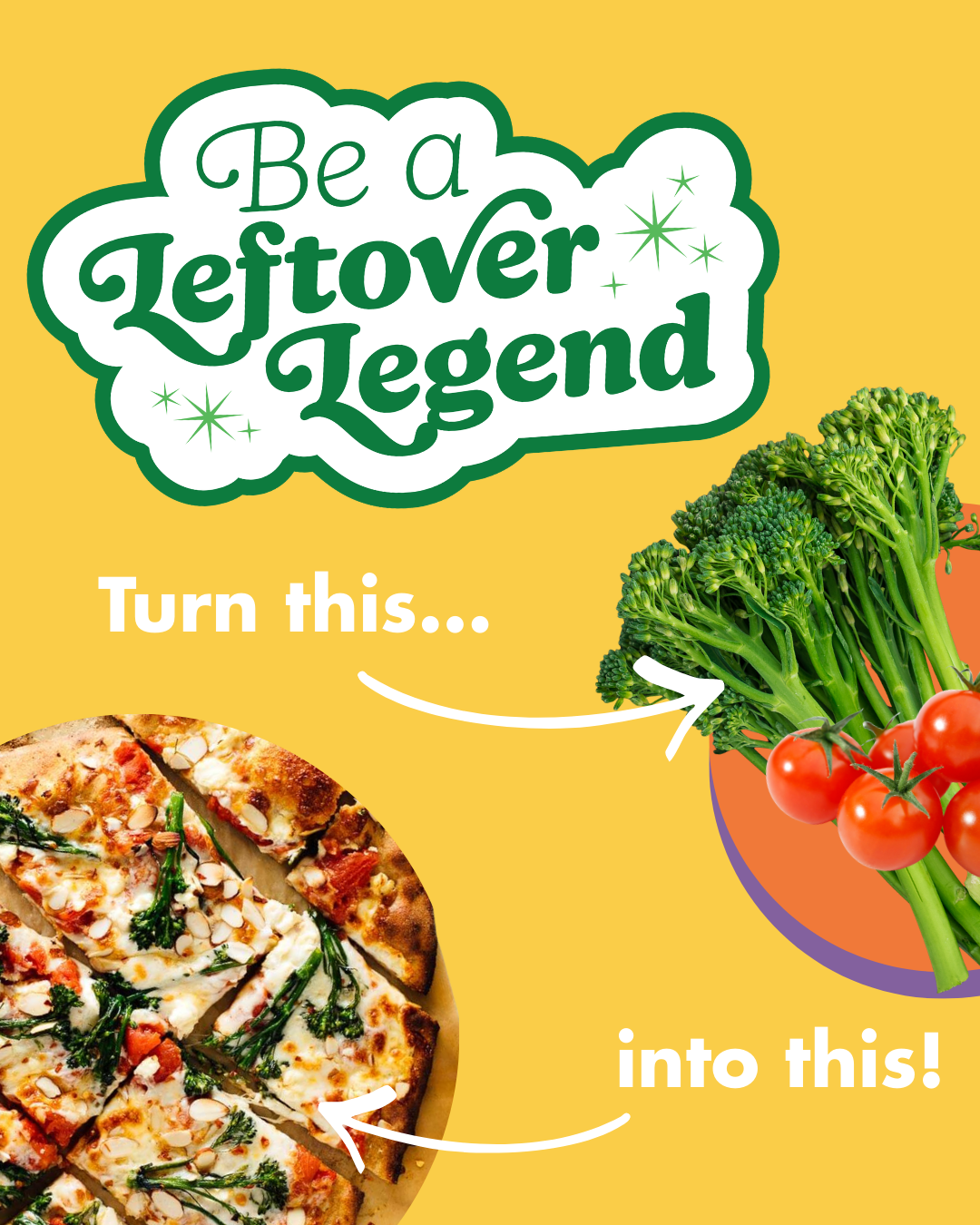
- Add as a pizza topping.
- Mash into potato dishes or blend into sauces for extra nutrition.
Mashed potatoes are surprisingly versatile.
- Make potato cakes or croquettes.
- Mix with vegetables, cheese, or leftover meat and form patties.
- Add small amounts to soups for extra thickness.
- Use as a topping for shepherd’s pie.
- Freeze for another meal.
- Store leftovers in the fridge for later if they’re still fresh.
- Cut away any bitten sections before reserving.
- Freeze fruit chunks for smoothies.
- Add to muffins, loaves, pancakes, or oatmeal.
- Stir into yogurt or sprinkle over cereal.
- Make fruit popsicles or smoothie bowls.
Cooked apples, pears, berries, and other fruit can be:
- Served again for breakfast or dessert.
- Topped with oats to make a crumble.
- Mixed into oatmeal or yogurt.
- Layered into parfaits.
- Mix into soups, salads, or casseroles.
- Use in a pasta bake.
- Add to frittatas or egg muffins.
- Freeze for future meals.
Food safety is particularly important with rice. Cool leftovers quickly and refrigerate promptly.
- Turn it into fried rice.
- Make rice pudding.
- Add to soups and casseroles.
- Freeze in meal-sized portions.
Keep a “bread bag” in the freezer and add crusts as they accumulate.
Use them to make:
- Homemade breadcrumbs
- Croutons
- Stuffing
- French toast casseroles
Depending on the fillings:
- Toast them for a quick snack.
- Freeze and reheat later.
- Cut into cubes and use in lunchbox snack boxes.
Avoid reusing sandwiches that contain ingredients that don’t reheat well, such as lettuce or cucumber.
Cold toast can be transformed into:
- Breadcrumbs
- Croutons
- Bread pudding
- Breakfast casseroles
Freeze leftover pieces until you have enough to use.
- Refrigerate and reheat for another breakfast.
- Blend into smoothies.
- Use in muffins, pancakes, or baking.
- Form into breakfast bars or energy bites.
- Add soggy cereal to smoothies.
- Use stale cereal in baking.
- Toast softer cereal in the oven to restore crunch.
- Mix leftover cereal varieties into snack bars.
- Freeze into cubes for smoothies.
- Make frozen yogurt pops.
- Use in baking.
- Add to smoothies, dips, or parfaits.
Leftover smoothies can be:
- Frozen in ice cube trays and reused in future smoothies.
- Turned into popsicles.
- Poured into bowls and topped with fruit, granola, or cereal.
If handled and stored safely:
- Add to pizzas, wraps, sandwiches, or salads.
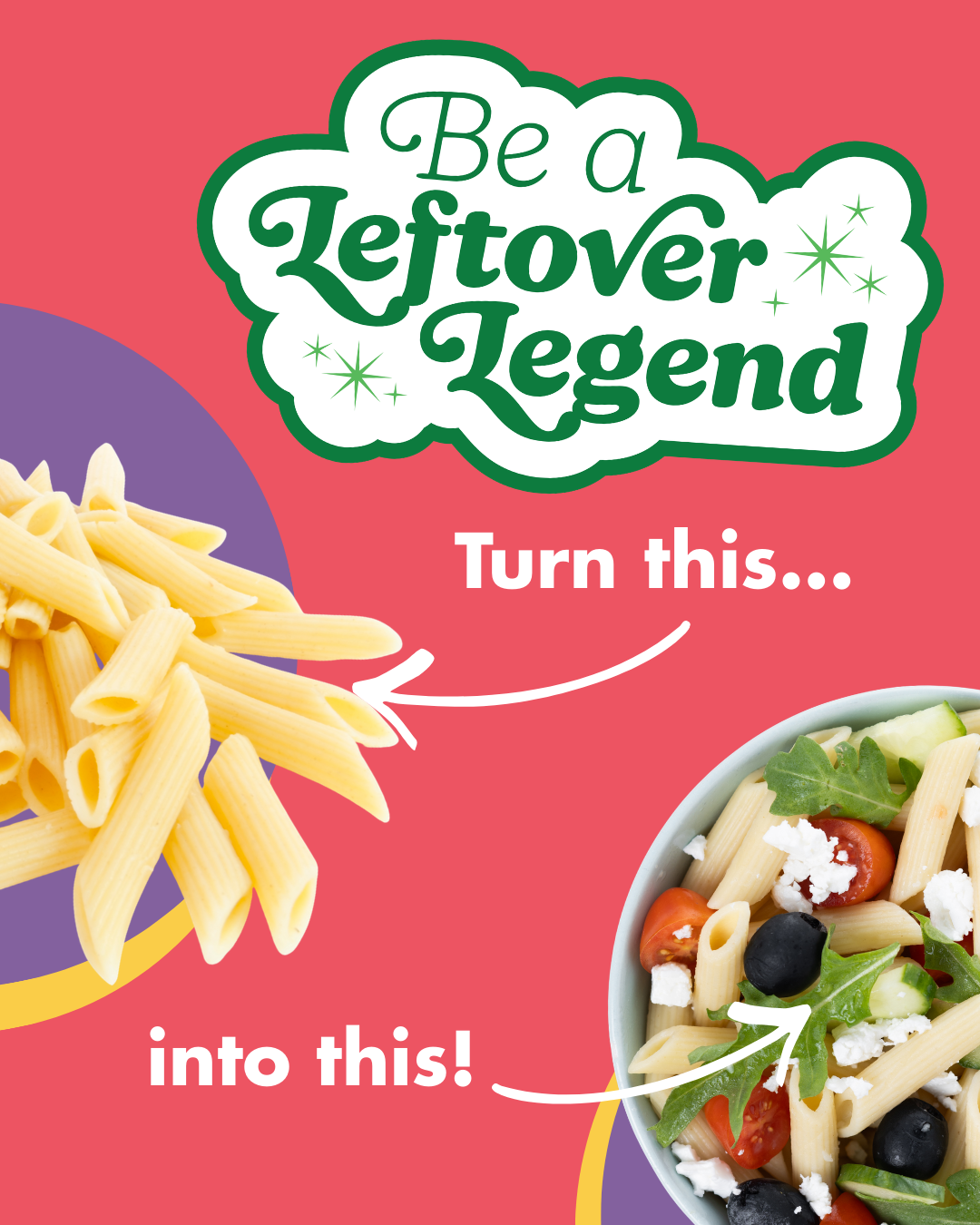
- Mix into soups, pasta dishes, or casseroles.
- Freeze for future meals.
Always reheat leftovers until they are steaming hot.
- Reheat in the oven, air fryer, or toaster oven to restore crispness.
- Slice and add to wraps or sandwiches.
- Use as a pizza topping.
- Add to lunchboxes the next day if stored safely.
- Reheat and top with cheese or other favourite toppings.
- Add to breakfast hash.
- Chop and add to soups or casseroles.
- Use as a topping for a shepherd’s pie-inspired casserole.
- Refresh stale chips in a warm oven.
- Crush and use as a crispy topping for casseroles or baked dishes.
- Add to savoury snack mixes.
Freeze extra cheese and use later in:
- Pizza
- Macaroni and cheese
- Sauces
- Soups
- Casseroles
- Freeze for future snacks.
- Warm and serve with fruit and yogurt.
- Crumble into ice cream.
- Turn into cake pops or dessert truffles.
- Layer with fruit and custard to make trifles.
A Final Tip
Not every leftover will be suitable to save, particularly if it has been sitting out too long or has been heavily handled by a young child. When in doubt, follow safe food handling guidelines. But with a little planning and creativity, many leftovers can be given a second life, helping your family save money and reduce food waste at the same time.