Tips for Better Soup
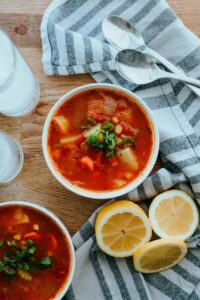
Pick a flavour theme.
A theme creates a distinct, recognizable flavour. Choose from styles like minestrone, miso noodle, creamy chowder, coconut curry, or a blended vegetable soup. Not every leftover soup has to be a kitchen-sink soup!
Build your base in the right order.
Start building a flavourful base by sautéing aromatics. Choose onions or a classic mirepoix (onions, celery, and carrots). Consider adding garlic, ginger, dried spices, or a spoonful of curry or tomato paste, and cook just to make them fragrant. Then add fresh ingredients that need to simmer, followed by leftovers and anything else that needs heating. End with a final taste test, adjust seasoning, and add bright, flavourful finishing touches.
Simmer, don’t boil hard.
Bringing soup to a boil, then reducing it to a simmer, is standard soup technique. Maintaining a continuous boil overcooks vegetables, makes broth cloudy, and can boil off too much liquid.
Season in stages.
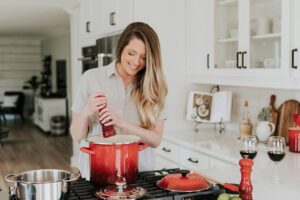
Season soups in stages throughout the entire cooking process and consider the seasoning and flavours your leftovers add to the soup. Be especially cautious with salt, as oversalting is hard to correct. Taste right before serving and adjust final seasoning then.
Finish bright.
Fresh herbs, a squeeze of lemon, or a splash of vinegar stirred in at the very end can really wake up a soup that tastes flat. Acid is one of the most underused seasonings in home cooking.
Going creamy? Add it last, carefully.
Stir in cream, whole milk, or coconut milk at the end over low heat and do not let it boil. This helps prevent curdling. The lower the fat content, the more easily it will curdle, especially in tomato or high-acid soups. If you plan to freeze the soup, leave the dairy out and add it when reheating.
 No leftover protein? No problem.
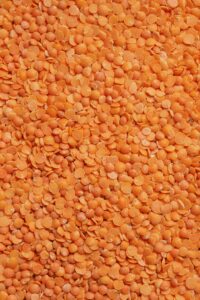
Canned beans, lentils, or edamame are an easy fix. Just stir them in with your leftovers. If using raw meat, cook it thoroughly before the aromatics, then remove it from the pot and set aside until the recipe calls for it.
Leave pasta and rice out of portions you freeze.
Pasta and rice keep absorbing liquid, even in the freezer. This can make them soft and mushy after they’re frozen and reheated. Add freshly cooked pasta or rice when reheating.